If your knuckles ache after a heavy bag session, you are not necessarily doing something wrong. Why your knuckles hurt after hitting the bag usually comes down to one of three things: normal soreness in tissue that is not used to impact, bruising from hard shots landing without enough padding, or a strain to the thin tendon layer on top of the knuckle joint. Only the third one needs a doctor. Here is general information, not medical advice, and a boxer with a hand that has changed shape, gone numb or lost movement should get it checked rather than reading on.
Table of Contents
- What Happens When You Hit a Boxing Bag?
- Common Reasons Your Knuckles Hurt After Bag Work
- 1. You added bag volume too fast
- 2. You are landing on the wrong part of the fist
- 3. Your wrists are angled wrong at impact
- 4. Your wraps are loose, thin or skipped
- 5. You are gripping the bag
- 6. The bag is old and packed out
- 7. New gloves, shifted padding
- 8. Something was already irritated
- How to Tell Normal Soreness From a Problem
- How to Reduce Knuckle Pain and Protect Your Hands
- When Should Boxers Seek Medical Advice?
- Frequently Asked Questions
- Conclusion
What Happens When You Hit a Boxing Bag?
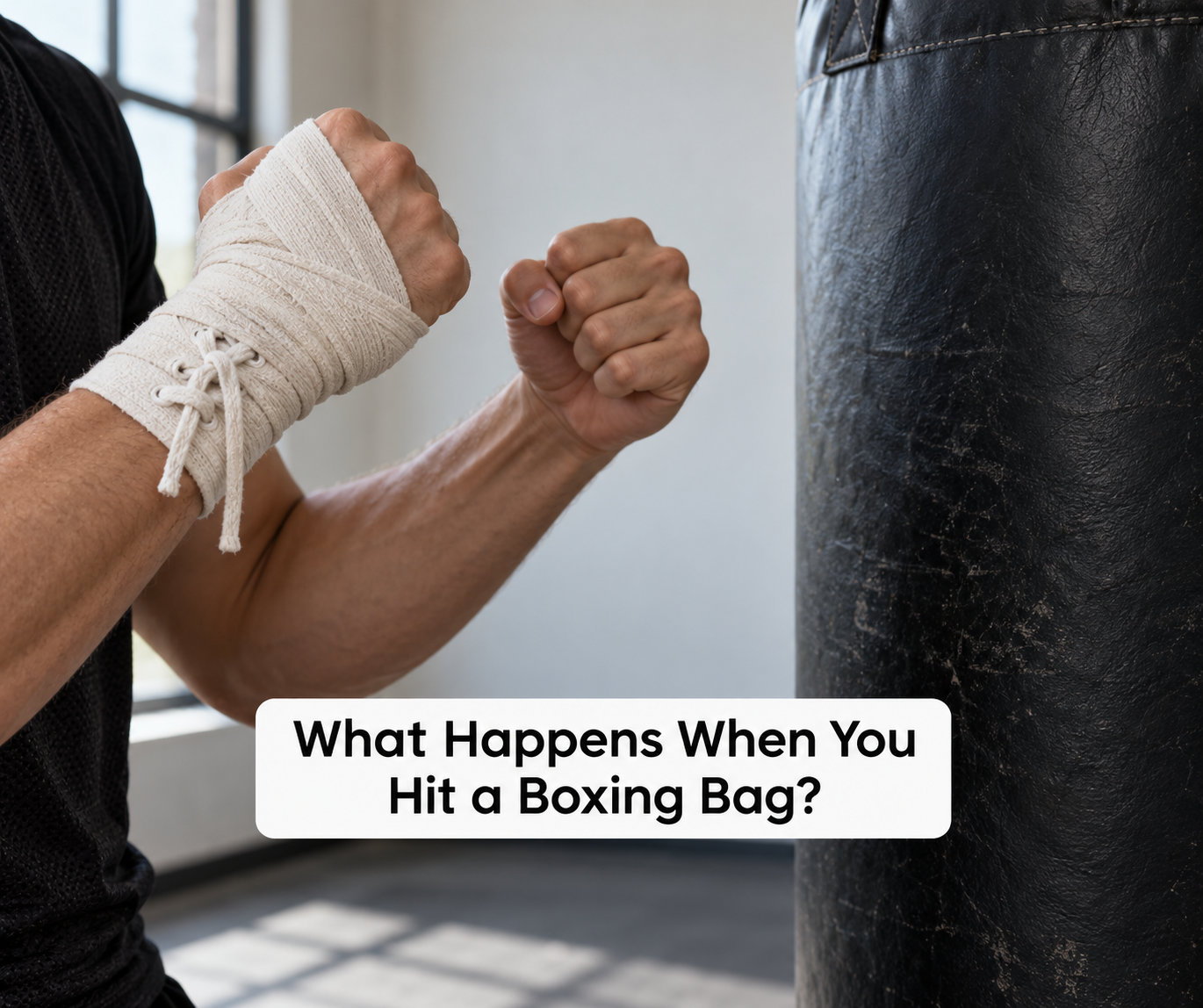
Your knuckles are the bony ends of the metacarpals, and almost nothing sits between them and the surface you are hitting. Skin, a thin pad of tissue, a joint called the metacarpophalangeal joint (MCP), and on top of that a sheet of tendon called the extensor hood. That hood keeps the tendons that straighten your fingers centred over the knuckle.
Every punch drives force into that stack. The soft tissue takes the first squeeze, the joint takes the compression, and the extensor hood takes a share of it because it is stretched across the top of the joint as your fist closes. Repetition, not one hard shot, is what makes it swell.
The hood is a few millimetres thick. Give it enough repeated load and it inflames, thickens, and eventually a corner of it tears, which lets the tendon drift sideways over the knuckle. That is the condition most people mean when they say a boxer has bad knuckles, and it is a different problem from a Tuesday-night ache after your first month in the gym.
Common Reasons Your Knuckles Hurt After Bag Work
Eight things account for most of it. Work down the list and one of them is usually the answer.
1. You added bag volume too fast
The single most common reason is a session count or round count that jumped. Going from one bag day a week to four gives tissue no chance to adapt, and the soreness you feel is a load your hand was not conditioned for.
2. You are landing on the wrong part of the fist
Most coaches ask for the index and middle knuckles to take the punch, and the reasoning is sound. Forcing that alignment when your shoulder, elbow or wrist is not lined up yet can push the load sideways, though, and alignment matters more than which two knuckles you pick.
3. Your wrists are angled wrong at impact
A high-hung bag makes you reach up and punch down, which folds the wrist and drives the force through the knuckle edge instead of across the knuckle face. Bending your knees, lowering your level or shortening the punch fixes it faster than any piece of equipment.
4. Your wraps are loose, thin or skipped
Wrapping is what most beginners get wrong, and it is the fix most often reported on boxing forums. A wrap that sits over the knuckles without real coverage gives you the feeling of support without the padding, and tight wrapping on the palm without anchor through the thumb creates more problems, including soreness on the inside of the hand.
5. You are gripping the bag
Catching the bag after every shot, or riding it down, loads the fingers and palm hard. Bag work is for striking, not for hand gripping, and a fighter who rolls under the bag after every combination is training the wrong thing.
6. The bag is old and packed out
An old canvas bag has compacted to a hard shell, and the surface that is left transfers more force through the gloves and wraps into your knuckles. If soreness showed up after your gym changed bags or you started hitting a different one, that is worth checking.
7. New gloves, shifted padding
People report soreness appearing after a gear switch that never troubled them before, which points to padding distribution rather than brand. A seam that sits across the knuckles, or a liner that has rolled to the back of the glove, concentrates pressure on a smaller area.
8. Something was already irritated
Tendon irritation from climbing, keyboarding, a previous hand injury or an old bruise gets worse under bag volume. If the pain shows up in one joint and stays there, the bag is not the original cause.
How to Tell Normal Soreness From a Problem
Normal post-training soreness is dull, spread across several knuckles or both hands, and it is gone or nearly gone by the next morning. Pain that is sharp, sits in one joint, makes a fist hurt, or is still there after 48 hours is telling you something different.
Boxing forums tend to draw the same line, and the consensus is usually good. Diffuse ache that clears by morning is your hands adapting. One knuckle that is puffy, doughy or painful when you make a fist is the one to rest, and if that single joint persists beyond a week of no bag work it deserves an assessment rather than more rounds.
One rule beats all the others: if the pain arrives during a round rather than after it, stop that round. Pain you notice once you have taken your gloves off is a different situation from pain that changes how you punch.
How to Reduce Knuckle Pain and Protect Your Hands
Most of this is training management, not gear shopping. Work through the items below in order, because the earlier ones matter more.
Build volume gradually. Add rounds, not weeks. If three rounds of bag work left you sore, four rounds will not fix it, and adding a fifth day before your hands have settled is how a week of ache becomes a month.
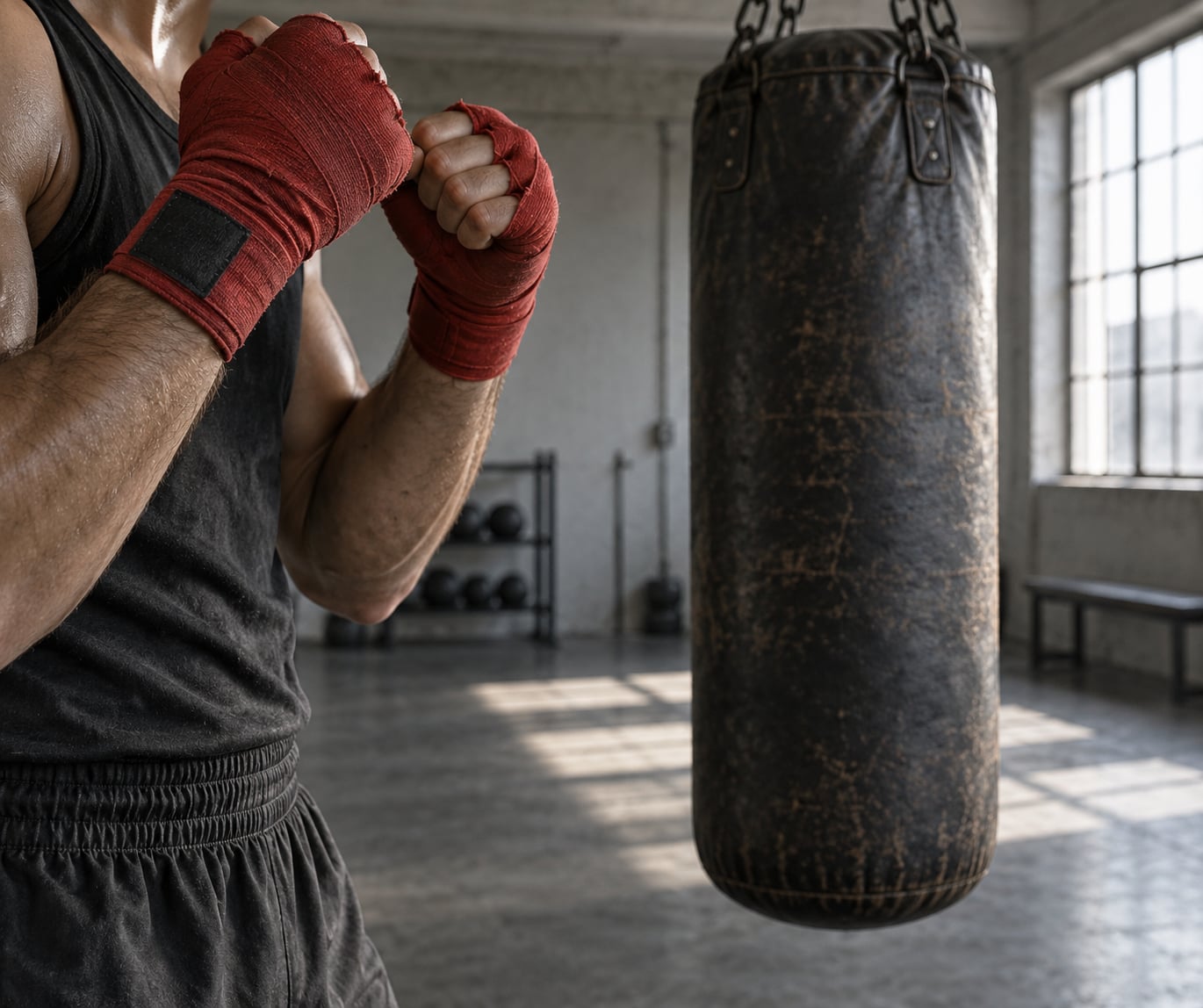
Wrap properly and use the right length. Longer wraps such as 180-inch models cover more of the hand and knuckle line than short ones, and gel wraps add padding at low weight. Whatever you use, the wrap should include the knuckles, run through the thumb loop, and come back across the knuckle line several times.
Check where your glove actually lands. Hold a fist and look at it side on. If the seam or rolled liner crosses the knuckle face, that pressure point is showing up in every round, and a different pair or a different bag will settle it.
Fix the shape of the punch. Knock in the knees, keep the wrist in line behind the knuckles at contact, and land across the knuckle face. Catching the bag with bent wrists and gripping between shots both send force somewhere you do not want it.
Give the hands room. Soreness that has not cleared before the next session means the next session adds to a balance already in the red. Take the day. Conditioning is built by consistent weeks, not by proving a point in round four.
Settle things after training. Cool down the hands, keep them moving through gentle full-range opening and closing, and use a wrapped cold pack for short periods after a hard session. If pain is constant rather than occasional, ask a doctor or pharmacist what is safe for you rather than guessing, and do not reach for pain relief before training since numbness hides injury.
When Should Boxers Seek Medical Advice?
This is general information rather than medical advice, and it cannot tell you what is wrong with your hand. Book an appointment with a doctor or a qualified sports clinician, or head to urgent care, if you notice any of the following.
- Visible swelling that has not gone down after a couple of rest days, or a knuckle that looks different in shape or alignment from the others.
- Numbness, tingling or cold fingers that persist after the session.
- Reduced movement, a finger that will not straighten fully, or pain when you make a fist.
- Sharp or severe pain that does not ease with rest, or pain that wakes you at night.
- Pain that is getting worse across sessions instead of settling.
- One knuckle that stays tender for more than a week while you are not hitting anything.
A fifth metacarpal neck fracture, the fracture boxers know as a boxer’s fracture, shows up as deep pain on the pinky side of the hand with swelling and a grip that hurts. Extensor hood injury shows up as a knuckle that is tender on top, sometimes with a tendon that visibly shifts when you make a fist. Both are for a clinician to assess, not for a training plan to work around.
Frequently Asked Questions
How long should knuckle soreness last after boxing?
Healthy soreness after bag work is dull, spread across several knuckles and clearly easing by the next morning. Most of it should be gone within 24 to 48 hours of a normal session. Pain that is still strong after two full days of rest, or that is concentrated in one knuckle, is not ordinary soreness and is worth having checked by a doctor or sports clinician before you add more rounds.
Do hand wraps prevent knuckle pain?
They help a lot, but only if they are put on properly. A loose wrap with little knuckle coverage adds almost nothing, while a correctly wrapped hand includes the knuckles, runs through the thumb loop and comes back across the knuckle line several times. Longer wraps such as 180-inch models cover more hand than short ones, and gel wraps add padding at low weight. Most boxers who fixed their pain by fixing their wrap had been under-wrapping.
Should I keep training with sore knuckles?
It depends on the type of pain. Dull, general ache that clears with a night’s rest usually means you can train as normal, though you should not add rounds. Pain in a single knuckle, swelling, or discomfort that shows up during a round means you stop hitting and give the hand rest. Training through swelling is how a two-week problem turns into a season-long one.
Does warming up before bag work protect the knuckles?
Warm-up work gets blood into the hand and lets you rehearse your shape before anything lands hard, which helps technique but does not load-tissue your hands. Padding and technique do that job. A short warm-up is still worth doing because most knuckle problems on the bag come from landing punches before your hands are awake and your shape is sharp.
How do I know if my knuckle is broken rather than bruised?
A bruise is tender across the knuckle, dull, and settles over a few days. A fracture tends to be sharply painful on the knuckle itself or on the palm side, comes with swelling that worsens over the first day or two, hurts a lot when you grip anything, and often sits on the pinky-side knuckle. Do not try to work out which one you have yourself. Get it assessed, and go sooner if the finger is numb or misaligned.
Why does the inside of my hand hurt after bag work?
Pain on the palm side rather than on top of the knuckles is usually a wrapping or gripping problem rather than a knuckle problem. A wrap anchored too tightly across the palm, or a wrap that slips and bunches there while you work, rubs and compresses the palm. Catching the bag and gripping it between shots does the same thing. Check the wrap first, then stop riding under the bag after combinations.
Conclusion
Start with the three things that cost nothing. Build your bag volume slowly, wrap the knuckles properly, and check where the punch actually lands and at what angle your wrist is sitting. Give the hand 48 hours between hard sessions and let dull soreness clear fully before you load it again.
If pain sits in one knuckle, comes with swelling, numbness or reduced movement, or will not settle with rest, get it assessed by a doctor or hand specialist before your next session. The habit to break is training through it. Conditioning is built over months, and hands are the part of the body boxers cannot train around.