Most fighters get through a pair of boxing gloves in six to twelve months, and the real answer to how often to replace boxing gloves has less to do with the calendar than with what your pair is doing under load. Someone training four or five times a week usually retires gloves in four to six months, while a weekend bag warrior can get a year or more out of the same model.
Padding that no longer springs back, an odor that survives cleaning, or a Velcro strap that lets the glove shift on impact will retire a pair faster than any schedule. Those three checks are what this guide walks through, step by step, so you can decide with your hands rather than with a calendar.
The practical standard coaches land on is simple: replace when condition says so, not when a month counter says so. The opposite mistake is just as common, hanging on to an expensive pair well past the point where the padding has gone flat.
Table of Contents
What You Need to Check Before Replacing Gloves
You do not need a workshop to make a decent call. You need an honest record of how much you actually train, a clean surface to open the gloves on, and a few minutes of daylight. Here is the short list.
- Your real training load — sessions per week, rounds per session, and whether you train twice in a day.
- Sweat exposure — shared gym gloves, pad work, hot rooms, and long sparring rounds all soak the lining differently.
- Padding thickness at the start — the more foam a bag glove carries, the more rounds it can absorb before bottoming out.
- Manufacturer care guidance — the cleaning and drying instructions that shipped with the pair.
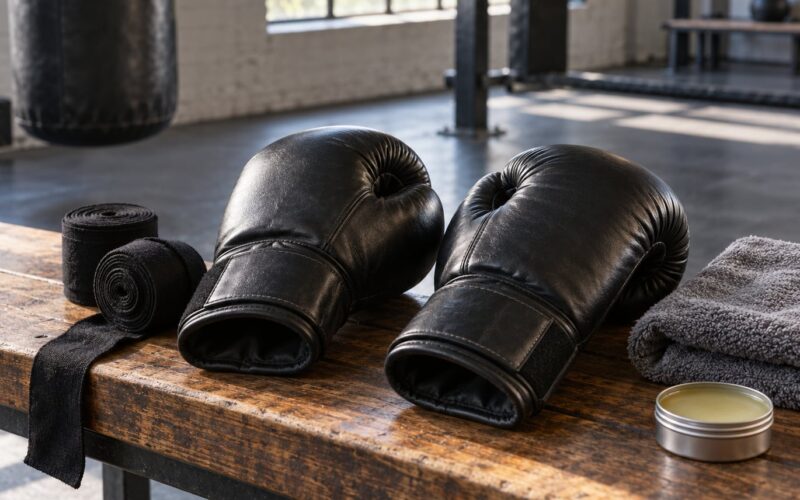
- Hand wraps — several pairs in rotation, plus the tape and velcro to keep them secure.
- A drying setup — a fan, a glove dryer, or a rack where air can move through the lining.
- Deodorizing supplies — cedar blocks or a purpose-made glove deodorizer for the smell between washes.
- A second pair, eventually — one pair for bags and pads, one for sparring, is the cheapest lifespan extension available.
If your wraps are already soaked through at the end of a session, that is a training load signal as much as a hygiene one. Wraps absorb what the glove cannot, and everything they catch ends up trapped in the padding whether you like it or not.
How Often to Replace Boxing Gloves: Step by Step
Five steps, in order. The first two tell you whether the pair is finished, the last three cover picking the next one and keeping it alive.
Step 1: Check Your Training and Sweat Exposure
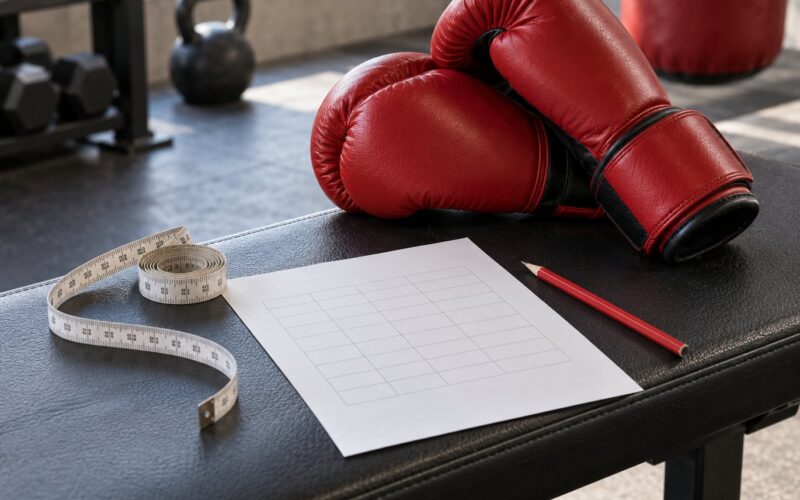
Start by counting rounds, not months. A boxer who logs 25 rounds a week puts five times the load through a glove as someone who throws three rounds on a Tuesday night, and the same pair will not serve both.
| Training pattern | Sessions per week | Typical lifespan |
|---|---|---|
| Two-a-day or fight camp | 6 to 12 | 3 to 6 months |
| Daily gym training | 5 to 6 | 5 to 8 months |
| Regular training | 3 to 4 | 8 to 14 months |
| Occasional training | 1 to 2 | 1.5 to 3 years |
| One fitness class a week | 1 | 2 to 4 years |
Those ranges assume air drying after every session and wraps used without exception. Miss either one and the shorter end of the range is the honest expectation.
Sparring changes the picture again. Every round with a partner compresses foam and abrades the shell faster than bag work, which is why fighters who spar weekly tend to burn through gloves two or three times faster than fighters who only hit pads.
Shared gloves are the worst case. When a gym hands you the same pair to twenty people, no amount of deodorizing gets that back to the state it left in, and those gloves deserve a much shorter timeline than your own.
Genuine leather outlasts synthetic in almost every case. Synthetic leather costs less up front and often starts cracking or flaking within a year of regular bag work, while a decent leather shell keeps its shape and finish considerably longer if you dry it properly.
Step 2: Inspect the Padding, Surface, and Fastenings
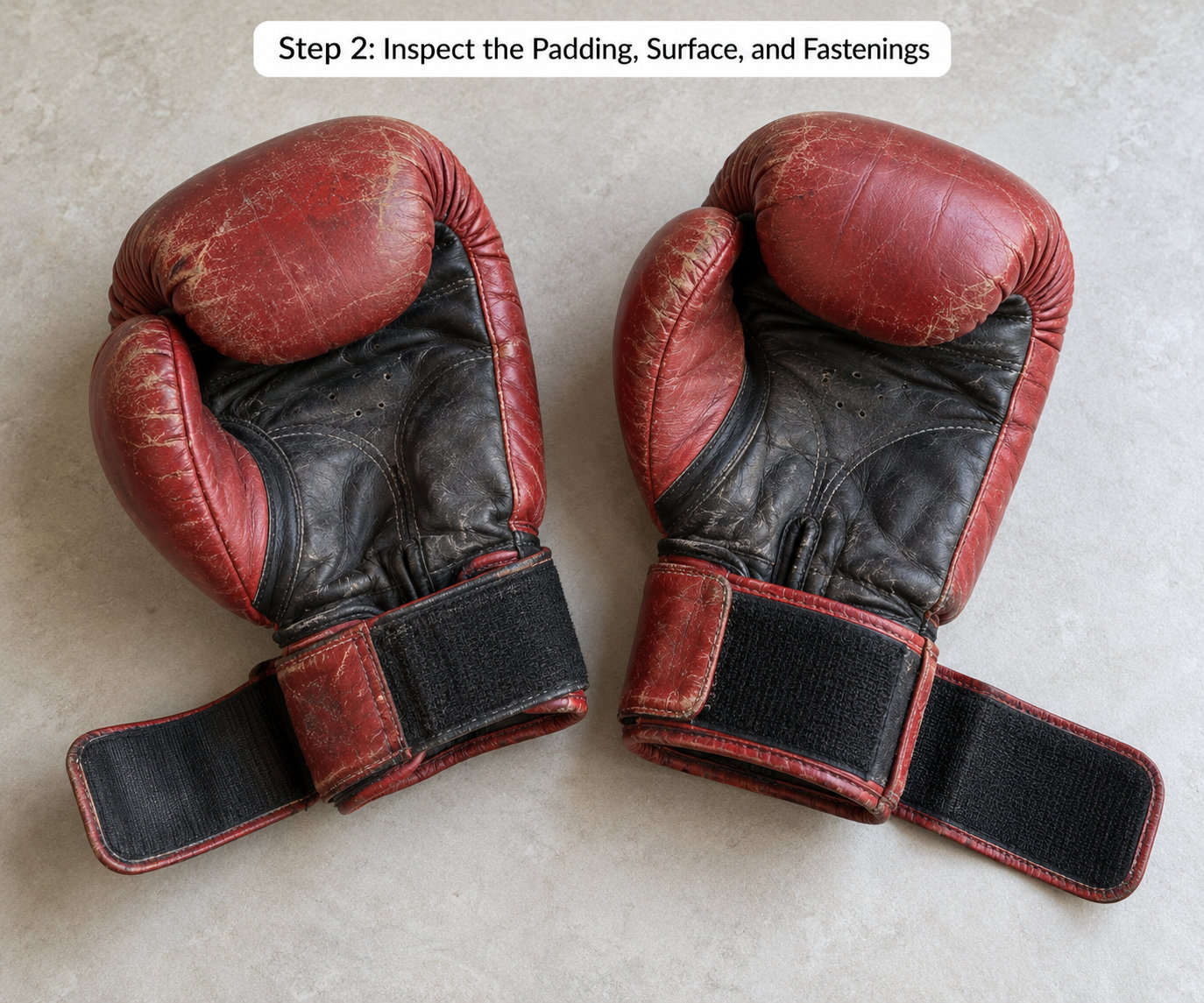
Put the gloves in front of you, open the wrist strap, and look. Compression is the tell most people miss because it happens slowly.
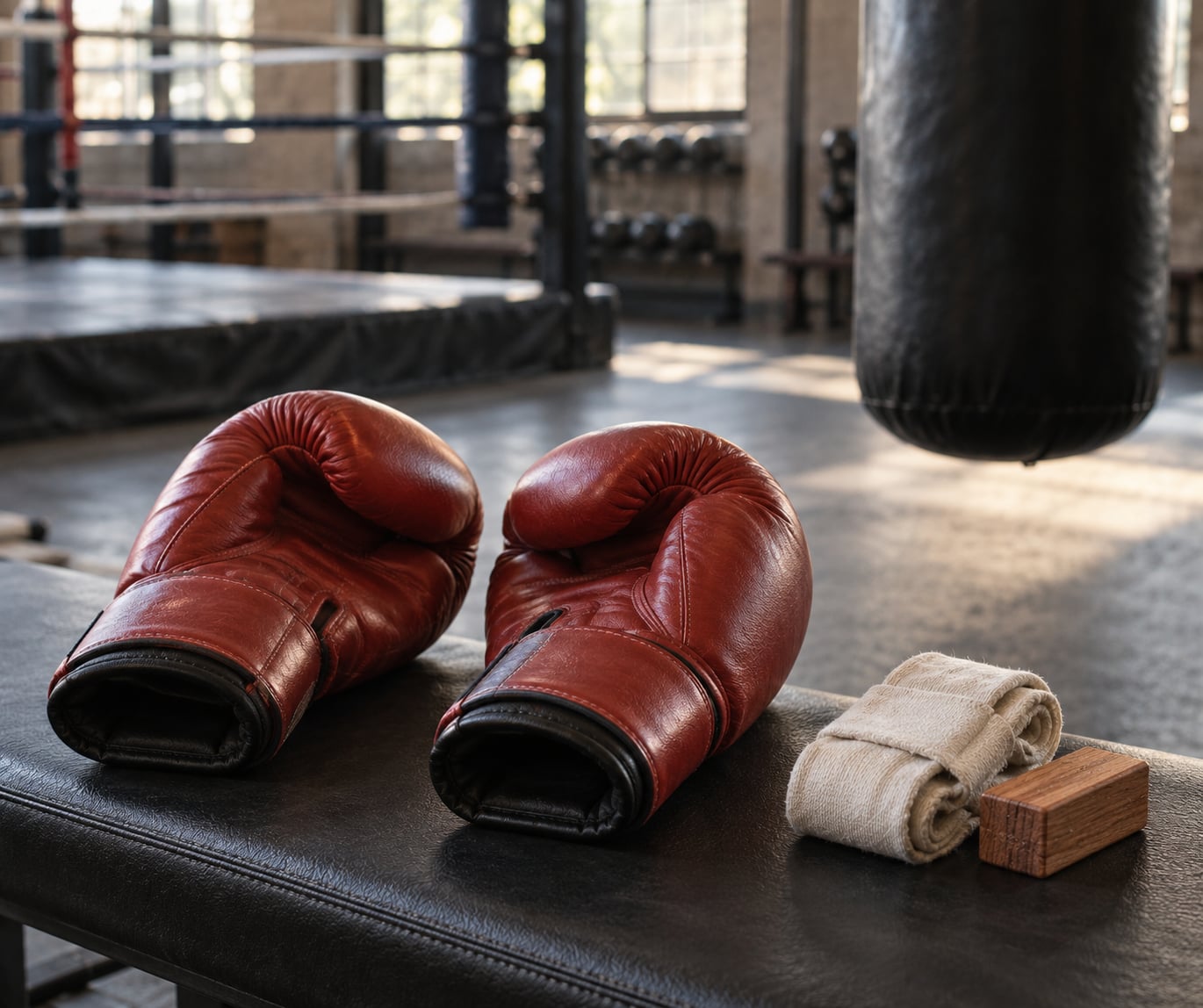
Squeeze the knuckle padding between thumb and fingers. Fresh foam pushes back and springs; compressed foam stays compressed, feels hard or gritty, and often sounds hollow when you tap it.
Compare left and right. Uneven wear, with one glove noticeably flatter than the other, means you have been favouring or over-working one hand.
Check for knuckles coming through. If you can feel the outline of your own knuckles pressing against the outside of the glove, the padding is finished and no amount of cleaning brings it back.
Look at the surface. Cracks, peeling, splits at the seams, or a panel that lifts away from the foam are permanent damage that spreads with every round.
Run the stitching. Any seam pulling open, thread hanging loose, or a detached palm panel means the glove is no longer holding its shape, which is a support problem rather than a comfort problem.
Test the fastenings. A Velcro strap that has gone fluffy, refuses to hold, or lets the glove rotate on your wrist is a safety issue in sparring, not an inconvenience.
Check the cuff and wrist panel for a warped or banana-shaped curve. That shape is what keeps the wrist stacked, and once it bends the glove cannot do that job any more.
Finally, smell them. A glove that still stinks after a wipe-down and a full air dry has bacterial buildup in the lining, and no cleaning method fully clears it. Most coaches treat that smell as a replacement trigger on its own.
Step 3: Replace the Glove When Safety or Support Is Affected
Cosmetics and safety are different categories, and mixing them is how fighters keep dangerous gloves for another six months. Cosmetic wear is scuffing, colour fade, and a strap that still works.
Replace the pair when any of these show up: knuckle padding that no longer rebounds, knuckles felt through the outside, exposed or crumbling foam, stitching that has opened, a wrist panel that no longer holds a straight line, a strap that lets the glove shift, or an interior that smells permanently after drying.
Why it matters is straightforward. The hand is a stack of small bones, and gloves exist to spread punch impact across them rather than concentrate it. Once the padding thins, that spreading job disappears and every hard shot lands closer to bone.
What fighters usually notice first is hand and wrist soreness, sometimes with knuckles staying tender for days after light work. If joint pain shows up after sessions and clears up when you change gloves, the gloves were part of the problem.
Worn gloves also hurt the person across from you. A shell that has gone rough or cracked opens the skin on your knuckles, and a partner training through bleeding knuckles is a real and reported problem in shared-glove gyms.
If you have swelling, persistent wrist pain, numbness, or a hand that stays sore well after training, stop guessing and get it looked at by a doctor or physiotherapist. That is not a gloves question.
Step 4: Choose a Replacement That Matches Your Use
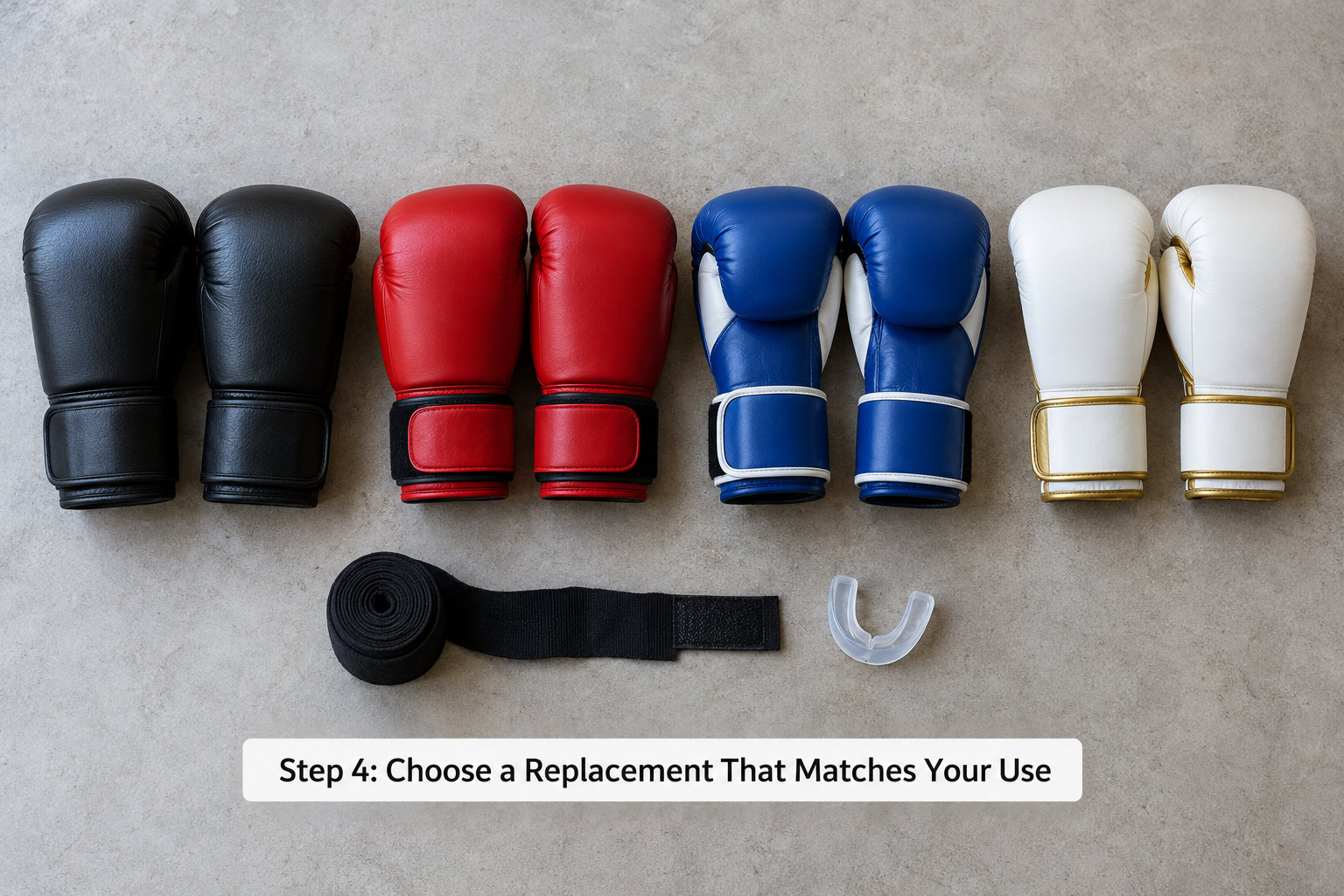
Pick the pair for the work you actually do. Gloves built for a bag handle sparring poorly, and sparring gloves feel dead and wasteful on pads.
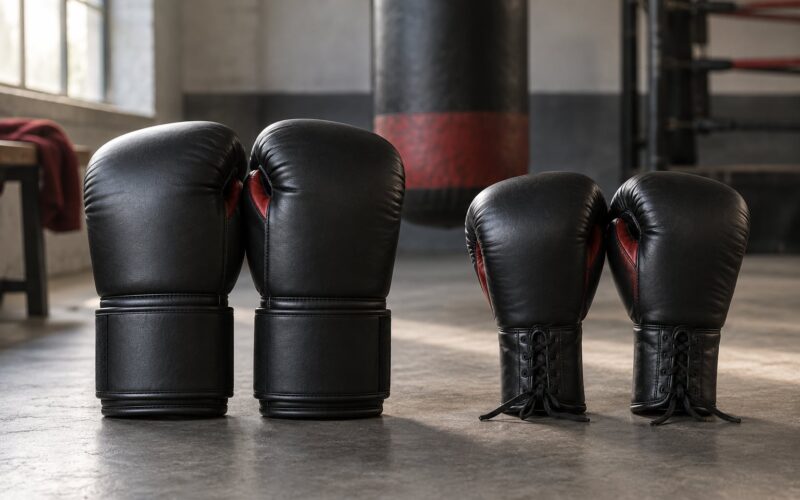
Bag gloves carry the thickest padding and the least wrist structure, because they exist to absorb repeated impact on a surface rather than protect a person. They tolerate the most rounds but are never appropriate for a partner.
Training or daily-use gloves are the middle ground most gyms hand out, with enough padding for mitt work and light partner drills plus a wide wrist band.
Sparring gloves use thinner padding so a punch feels sharp enough to react to, with added palm coverage, more padding over the knuckles, and a stiffer wrist. They wear faster precisely because they are built for contact.
Competition gloves are the lightest option, chosen for speed of movement and a consistent feel. They carry almost no padding by design and are the shortest-lived of the four.
Weight matters as much as type. Heavier gloves such as 16 oz suit bag work and protect your hands, while lighter options are more common for pad work and competition, and the fit is what decides whether any of them feel right.
Fit beats brand and it beats styling. Try them on wrapped, punch something hard a few times, and check that your knuckles sit in the padded pocket and your wrist stays straight. The rule gym coaches repeat endlessly: buy the fit, then buy the brand.
For reputable makers known for holding their shape, look at Winning, Cleto Reyes, Grant, Hayabusa and Ringside, and consider buying a second cheaper pair to rotate rather than one premium pair used daily.
Skip colour and logos when deciding. The details that decide lifespan are lining quality, padding density, stitching, and whether the maker publishes a replacement or care policy.
Step 5: Break In and Maintain the New Pair
A new pair lasts longer if you treat the first weeks properly.
Wear wraps from the first session and check the fit across a full range of motion. Tight across the knuckles on day one often means the palm will stretch and the support will drop within weeks.
Break in gradually. Start with bag and pad rounds, add sparring later, and expect the leather or synthetic shell to stiffen noticeably over the first month of real use.
Wipe the inside with a damp cloth or antibacterial wipe after every session and pull the tongue fully forward so air can reach the lining.
Dry them open, never stacked. Use a fan, a glove dryer, or a ventilated rack, and skip the clothes dryer and any heat source, because heat bakes bacteria into the foam and cracks the shell.
Never put gloves in a washing machine. The agitation wrecks the padding shape and the detergent residue stays trapped inside.
Deodorize between sessions with cedar blocks or a glove deodorizer, and store them somewhere dry and ventilated rather than in a sealed gym bag or a hot car boot.
Take your own wraps to the gym if the house does not supply clean ones, and follow whatever care instructions came with the pair.
Common Mistakes That Ruin Gloves Early
Almost every pair I see replaced too early shares one of these habits.
Throwing gloves away over smell alone. A bad smell means the lining needs a proper clean, a dryer, and a deodorizer. It does not automatically mean the padding is dead. Replace for smell when cleaning no longer helps it, not before.
Using one pair for everything. Sparring, bags, and pads wear a glove in three different places. Separating bag work from partner work roughly doubles the time each pair lasts.
Washing or drying badly. The washing machine and the clothes dryer are the two things most likely to destroy a good pair in a single afternoon. Air drying only.
Skipping hand wraps. Unwrapped work pushes sweat and bacteria straight into the lining and grinds the interior against your knuckles with every round.
Storing them damp in a gym bag. A sealed bag in a warm car or a humid locker room is close to the worst environment you can give a glove.
Choosing on price alone. Cheap pairs often feel thin early and split at the seams first, which costs more over a year than buying one solid pair and rotating it.
Trusting the calendar. Some pairs hit 400 rounds and still feel right; others are finished at 200. Check the padding instead.
Frequently Asked Questions
How long do boxing gloves usually last?
Six to twelve months is the usual answer for regular training at three or four sessions a week. Daily or two-a-day training shortens that to three to eight months, while occasional weekend use can stretch a pair to several years. Material matters too, since genuine leather generally outlasts synthetic leather.
Should I replace my gloves if the padding feels flat?
Yes, if flat means it no longer rebounds. Squeeze the knuckle area between thumb and finger: fresh padding pushes back, compressed foam stays squashed and often feels hard or gritty. Cosmetic flattening on the outside is normal wear, but a glove that feels dead on impact no longer absorbs shock and should be retired.
Can worn boxing gloves cause hand injuries?
They can, and the mechanism is simple. The hand contains many small bones, and gloves spread impact across them instead of concentrating it on one spot. Thinned padding removes that cushioning, so joint soreness, wrist strain and knuckle damage become more likely. See a doctor or physiotherapist if pain lingers after training.
Do leather boxing gloves last longer than synthetic ones?
Usually yes. Genuine leather keeps its shape and finish longer and resists the cracking and flaking that shows up in synthetic leather after heavy bag work. Synthetic gloves cost less and are fine for occasional training, but regular fighters who want a longer lifespan generally report better results from leather, provided they dry the gloves after every session.
How many pairs of boxing gloves do I need?
Two is the practical minimum for anyone who spars: one pair for bags and pads, one for partner work. That single split is the cheapest way to extend the life of both. Three suits a daily trainer who wants to rotate and keep a fresh pair for hard sessions. Occasional gym-only boxers can get by with one.
Can you wash boxing gloves in a washing machine?
No. Machine agitation distorts the padding and detergent residue stays trapped in the lining. Wipe the inside with a damp or antibacterial cloth after each session, pull the tongue forward, and air-dry the gloves in front of a fan or on a ventilated rack. Skip heat sources too, since hot air cracks the shell and bakes in bacteria.
Do one thing tonight. Open your gloves, squeeze the knuckle padding, and test the wrist strap while someone watches your hands move. If the foam does not push back or the glove shifts on impact, start shopping regardless of when you bought it.
Until then, count rounds instead of months, dry the pair open after every session, and use wraps. Those three habits are what turn six months of use into a year of service.